Is Among Us okay for kids?
Cautious yes for 9 and up. Among Us is the rare game where the safety surface is the gameplay itself, and the parent-permission flow is the only real lever.
Parents also ask about Among Us
Is Among Us safe for kids?
Depends on the lobby type. Among Us in local play or friend-only lobbies is safe. Public matchmaking lobbies put kids in free-text chat with strangers. The under-13 parent-permission flow Innersloth ships is the only gate, and most families never see it.
Does Among Us have voice chat?
Not in the game itself. Among Us communication is free-text chat that opens at every meeting. Kids who want to coordinate by voice typically use Discord servers, which is a separate platform conversation.
What age is appropriate for Among Us?
9 and up for local play or friend-only lobbies. The game is rated 10+ for the cartoonish impostor-kill animations. The harder question is whether the kid is ready for public lobby chat with strangers, which is a separate decision past the age question.
What to watch for in Among Us
- Chat and messagesWatch
Free-text chat is the gameplay · public lobbies pair kids with strangers
- Contact with other playersWatch
Friend-only and local lobbies have zero · public matchmaking is where the risk lives
- Stopping and playtimeLow
Ten-minute rounds give natural stopping points · no live-service hooks
- Content your child may seeLow
Stylized impostor kill animation · lying and deception are the gameplay
- Spending and extra purchasesLow
One-time cosmetic packs · ads in mobile free tier · no battle pass
Before you start
The full review
Why kids want to play Among Us
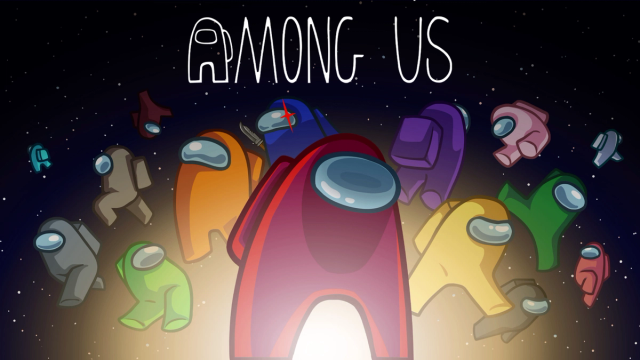
Among Us is the social-deduction game that became a phenomenon during pandemic lockdowns and has settled into a steady tier of kids' multiplayer ever since. The pull is the gameplay loop: a small ship, a small group of players, a few impostors hiding among the crew, and a chat-and-vote round at every body discovery. A kid plays a half-dozen rounds in a sitting and walks away with a story to tell the next day.
For kids whose social currency at school is shared multiplayer experience, Among Us is the easier yes than Roblox or Fortnite. It runs on basically anything, including older phones. It costs almost nothing on PC. It works on local Wi-Fi for sleepover play. The friction to play with friends from school is low.
Why this verdict
- Innersloth requires parent permission for under-13 accounts to unlock free-text chat, account linking, and friend lists.
- Local games on a single device involve no online element. Friend-only lobbies are similarly safe.
- Public lobbies are where the risk lives: free-text chat with strangers, often older players, with no enforced moderation in real time.
- No voice chat in Among Us itself; the social game is text-only or via separate apps like Discord.
- No microtransactions worth worrying about; small cosmetic packs sold once.
Who it fits
Best for
- Kids 9+ who want a social-deduction game with friends from school
- Households where the kid will play local or friend-only first, public lobbies later
- Sleepover and hangout play; Among Us is the rare game built for everyone in the room
Less suited to
- Kids under 9 who don't have the reading or social-reasoning level for the game
- Households unwilling to set up the parent-permission flow before public play
Detailed risk notes
- Free-text chat in public lobbies (the main risk surface)
- Account linking that lets a kid log in across devices and connect to friends in new ways
- Custom display names that may include personal information if not coached
- Discord servers spinning out of Among Us friend groups
- Cartoonish murder (the impostor 'kills' crew members)
- Free-text chat with strangers in public lobbies
- Mild lying and deception themes (the social deduction premise)
Chat and messages
Among Us is the case where the chat surface IS the game. Free-text chat between players opens at every meeting and at the end of each round. In a public lobby, the kid is in chat with strangers; in a friend lobby, the kid is in chat with people the kid invited. Innersloth's text filter catches some profanity but not all, and not in real time. The under-13 parent-permission flow is the only meaningful gate on the chat surface.
Contact with other players
Among Us in public lobbies pairs kids with random other players who are usually older. The chat is free-text, the meetings happen multiple times per round, and a determined adult can talk to a kid through the chat for the duration of the round. Friend lobbies remove this risk entirely. Local games on a single device remove it as well. The risk surface is bounded by which lobby type the kid is in.
Spending and extra purchases
Among Us monetization is light by current standards. Small cosmetic packs (skins, hats, pets) are sold once each. The mobile version has ads in the free tier; the paid version on PC and console removes them. There's no battle pass and no premium currency. The cleanest defense is locking App Store and Play Store purchases behind a parent password at the device level.
Stopping and playtime
Among Us's round structure (about 10 minutes per round) creates a natural stopping point that most live-service games don't have. There are no daily challenges, no streak rewards, no battle pass timer pressure. The pull to keep playing comes from the social experience, not from the game's design. That's a healthier engagement pattern than most games on this list.
Content your child may see
Among Us content is cartoonish. The impostor 'kills' crewmates by stabbing or breaking their neck in a small animation; it's bloodless and stylized but is the explicit content reason the game is rated 10+. The other thematic content is lying and deception, which is the entire point of Among Us. Younger kids find the lying mechanic uncomfortable; older kids find it the appeal.