The best video games to introduce your kid to gaming (ages 4-7)
The first game a kid plays often decides whether they think gaming is for them. Here are the ones that hold up across the four-to-seven stretch, sorted by where a kid actually is.
Parents of kids roughly four to seven, looking for a first real video game on a Switch, PlayStation, Xbox, or PC. Not a phone, not a tablet. Less useful if you want an exhaustive directory of every kids' game ever made.
A four-year-old picking up a controller for the first time is doing two things at once. Learning the game in front of them, and learning what gaming itself feels like. If the first thing they touch is punishing, fiddly, or visibly low effort, that impression sticks for a while.
Most of what shows up when you search for "best games for young kids" runs into the same problem in different directions. Either the lists are dominated by licensed shovelware tied to whatever cartoon is in rotation, or they push games designed for older kids and expect a four-year-old to grow into them. Both miss the actual problem, which is that the four-to-seven window is not one thing. A four-year-old needs assist modes, soft fail states, and a controller they cannot accidentally break in any meaningful way. A seven-year-old can already read, can lose without falling apart, and can carry a save file across weeks.
So this list is tiered. First games are the gentlest end of that range, designed so a kid who has barely held a controller still feels like they are playing. Next steps are for kids with some real agency, who can fail and recover. The third tier is the games that start to look like the rest of gaming, just calibrated for someone short. The pattern that holds across all three is small but useful: if a game does not have an assist or accessibility option you can leave on, it tends to fight you for the first six months.
Phones and tablets are out of scope here on purpose. Not because phone games are universally bad, but because the phones-and-tablets question is its own conversation with its own set of downsides (microtransactions, ad delivery, controller skill that does not transfer) that deserves its own list.
1. Mario Kart 8 Deluxe
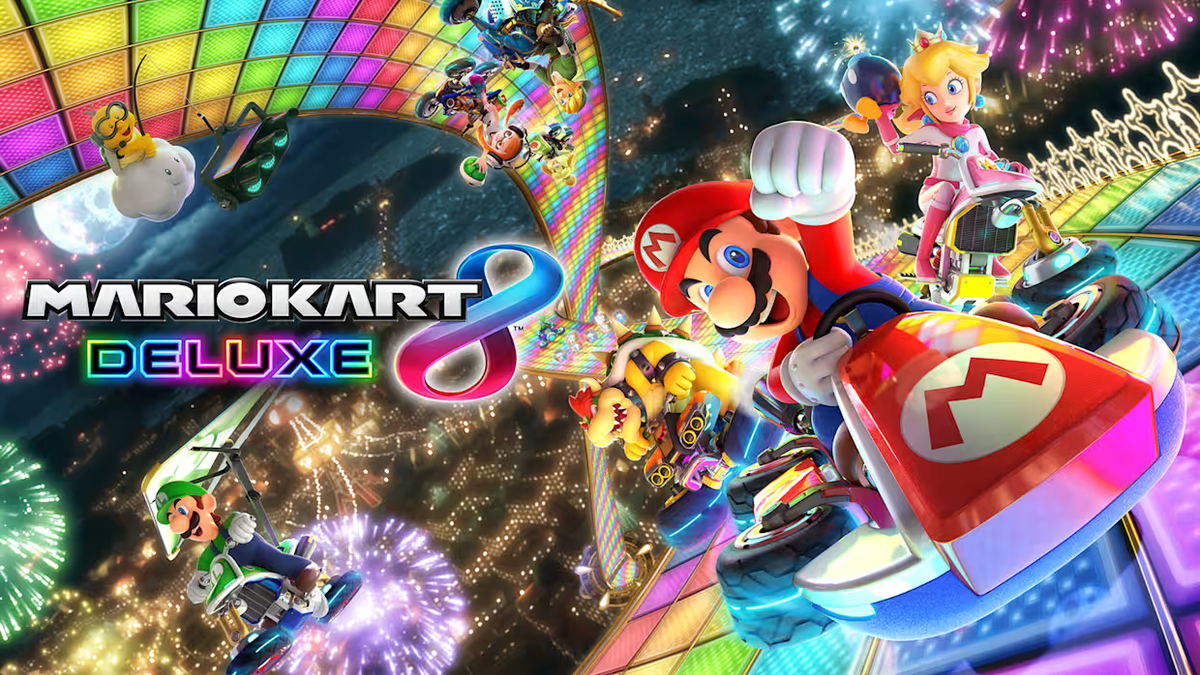
Smart steering and auto-accelerate turn this into a game a four-year-old can win without consciously playing. Putting the controller down and finishing eighth sounds like a bug, but at this age it is the whole point. They are learning that the green button moves the thing.
2. Yoshi's Crafted World
The most-mentioned game in every parent thread for this exact age range. Mellow mode gives Yoshi wings and essentially removes falling as a failure state, the art is felt-and-cardboard, and levels are short enough that a four-year-old can clear them solo within a week or two.
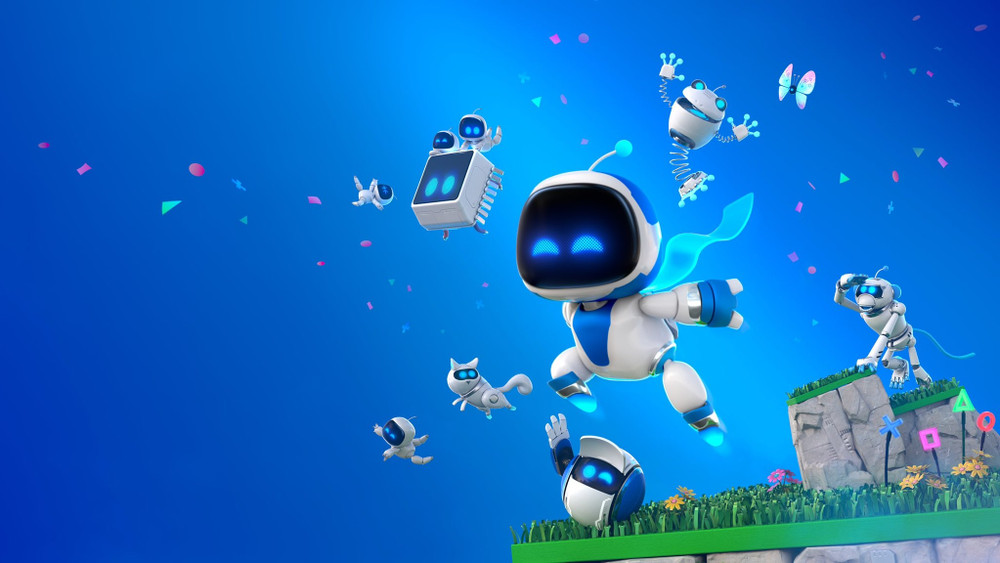
3. Astro's Playroom
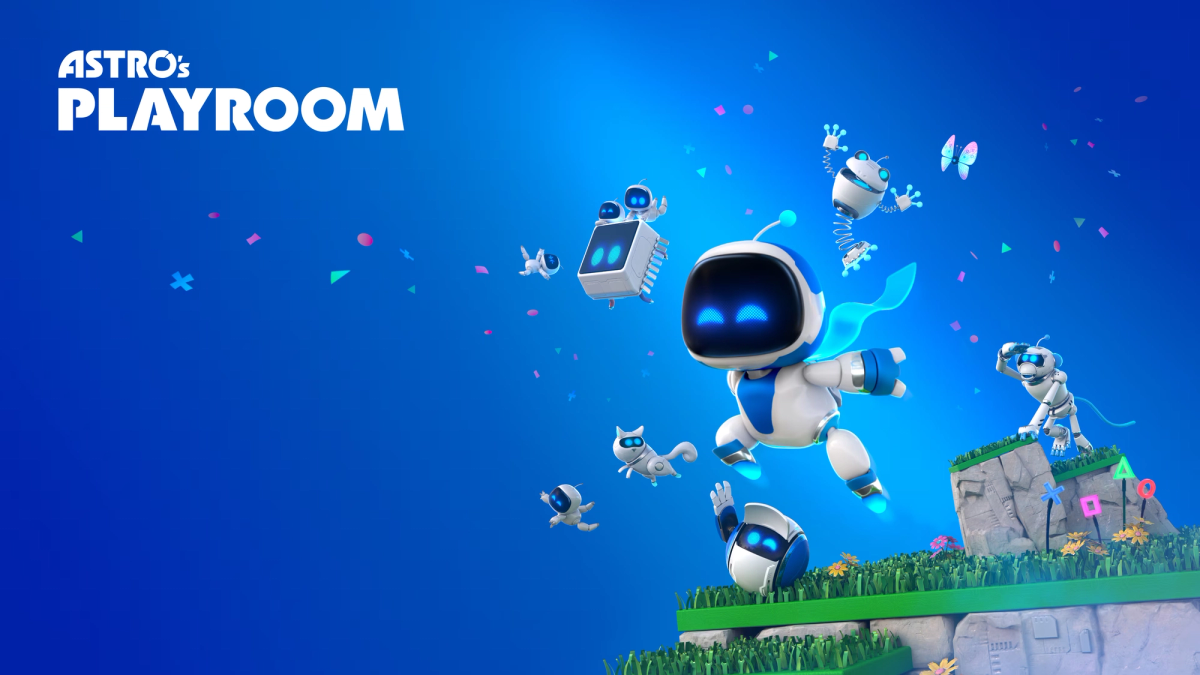
Free in the literal "already on your PS5" sense. The PS5's tutorial game in disguise, tactile in a way young kids respond to, and short enough not to overstay its welcome.
4. Bluey: The Videogame
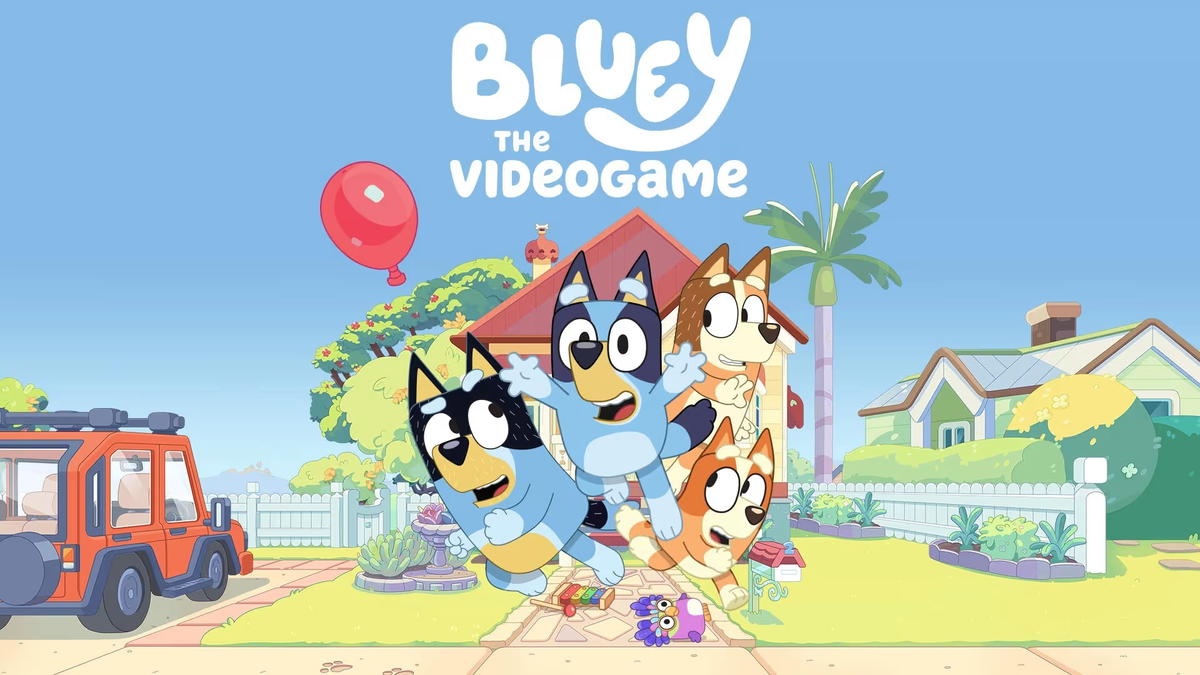
Most licensed games at this age are not worth the disk space. Bluey is the rare exception that respects its source enough to feel like the show. Aimed squarely at this tier, no real fail states, short missions, runs on basically everything.
5. Kirby: Star Allies
Player Two tags along automatically and jumps to wherever Player One goes. A parent can carry a four-year-old through the whole game while the kid mostly button-mashes and still feels like they are playing. It is a specific design choice and it works.
6. Super Mario Bros. Wonder
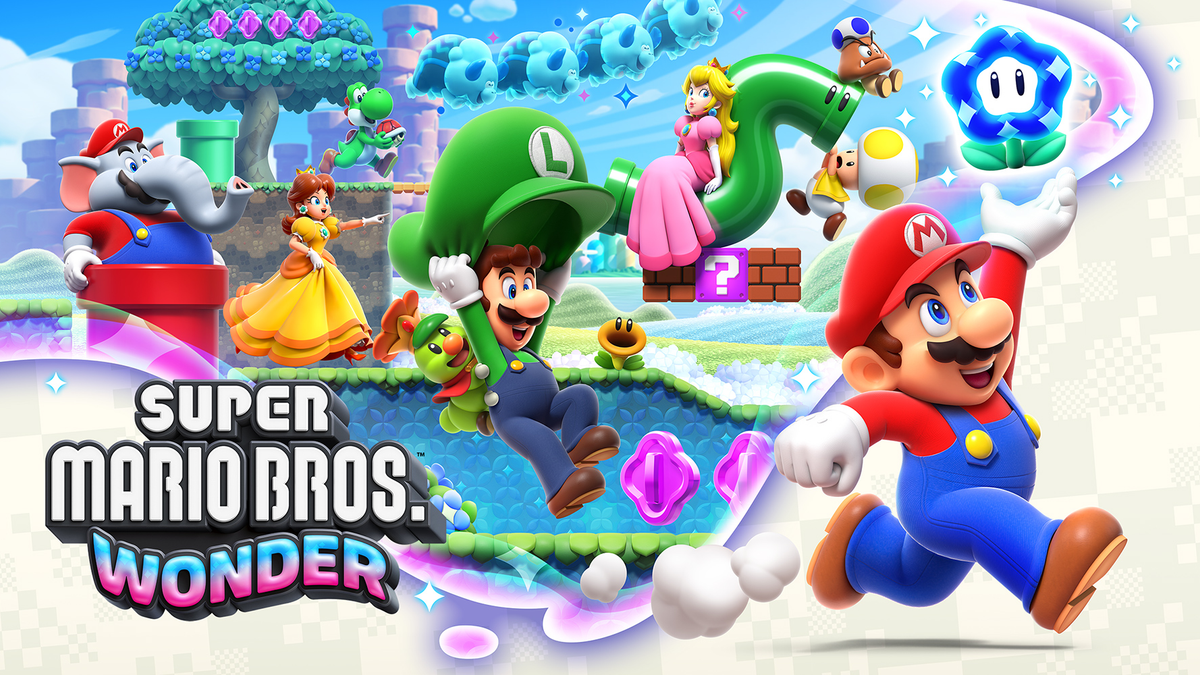
Newer, prettier, and importantly: has a badge system where a kid can pick a permanent assist (auto-jump, extra life, easier physics) and just play. Multiplayer does not penalize the weakest player the way older Mario games did.
7. Sackboy: A Big Adventure
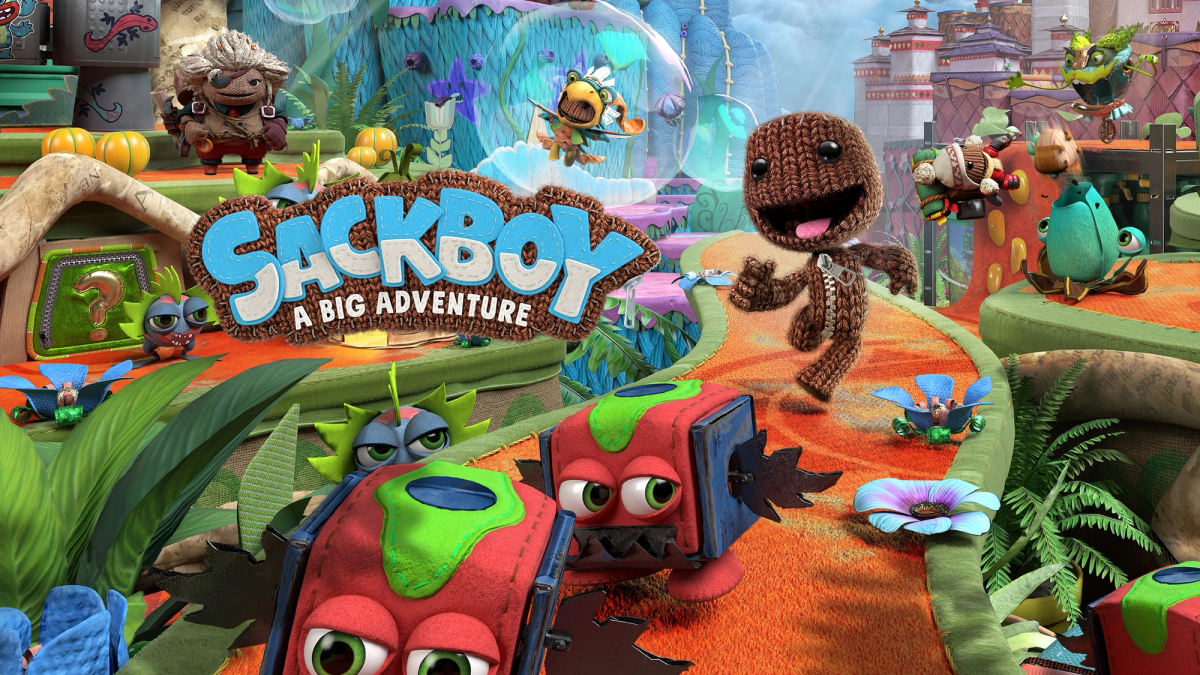
Two-to-four-player co-op platformer actively designed around the assumption that one of the players is going to be a kid. Levels you can re-enter, hand-holding mechanics, costume rewards that age very well for this crowd.
8. Untitled Goose Game
Be a goose, mildly inconvenience villagers, laugh. Short. Two-player co-op. What does not show up in any review but does show up in every parent thread is that the game gets much better when the adult narrates the goose in escalating frustration. Kids find it hilarious.
9. Lil Gator Game
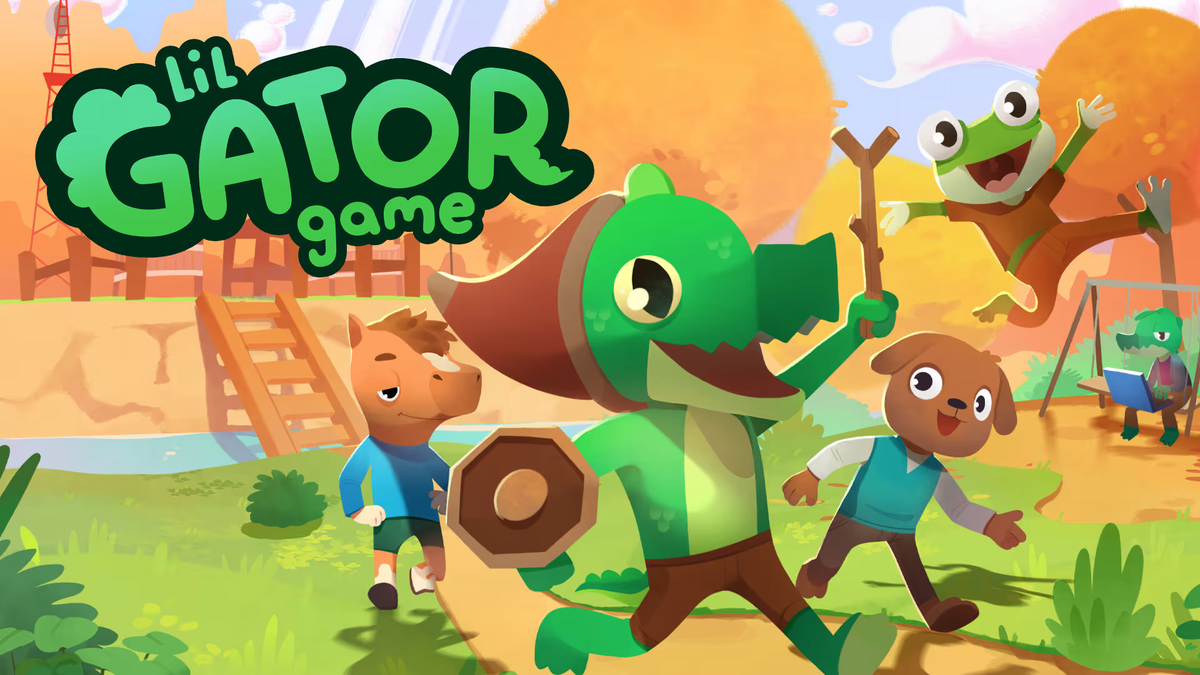
Gentle exploration, no combat, runs short. The game to reach for when a kid has touched Roblox or Fortnite and you want to remind them what an unhurried game feels like. Reads to a lot of parents as a "calm reset" pick.
10. LEGO Games (Series)

The catalog is the answer. Lego Star Wars: The Skywalker Saga is the best current pick, but any of the franchise entries (Marvel, Batman, Harry Potter) work on the same template. Local co-op, drop-in drop-out, very tolerant of one player being five years old.
11. Minecraft
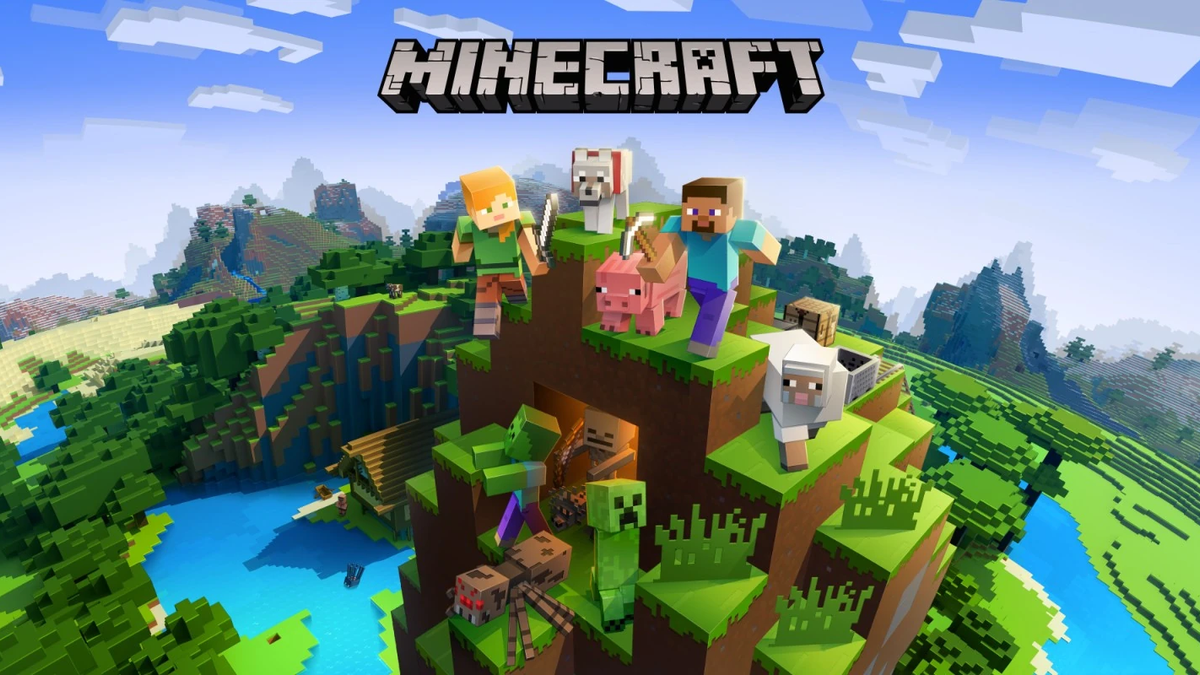
Creative mode is the way in at this age. Reading helps but is not required for early play. Worth its own piece (and gets one separately), because the family that picks up Minecraft together tends to still be playing it years later.
12. Pokemon Let's Go Pikachu / Eevee
Explicitly the introduction Pokemon. Catching is motion-based and tactile, the difficulty curve is gentler than Scarlet & Violet, and a six-year-old can do the catching loop without being able to read all the menus. Hand-eye coordination is the bonus.
13. Stardew Valley
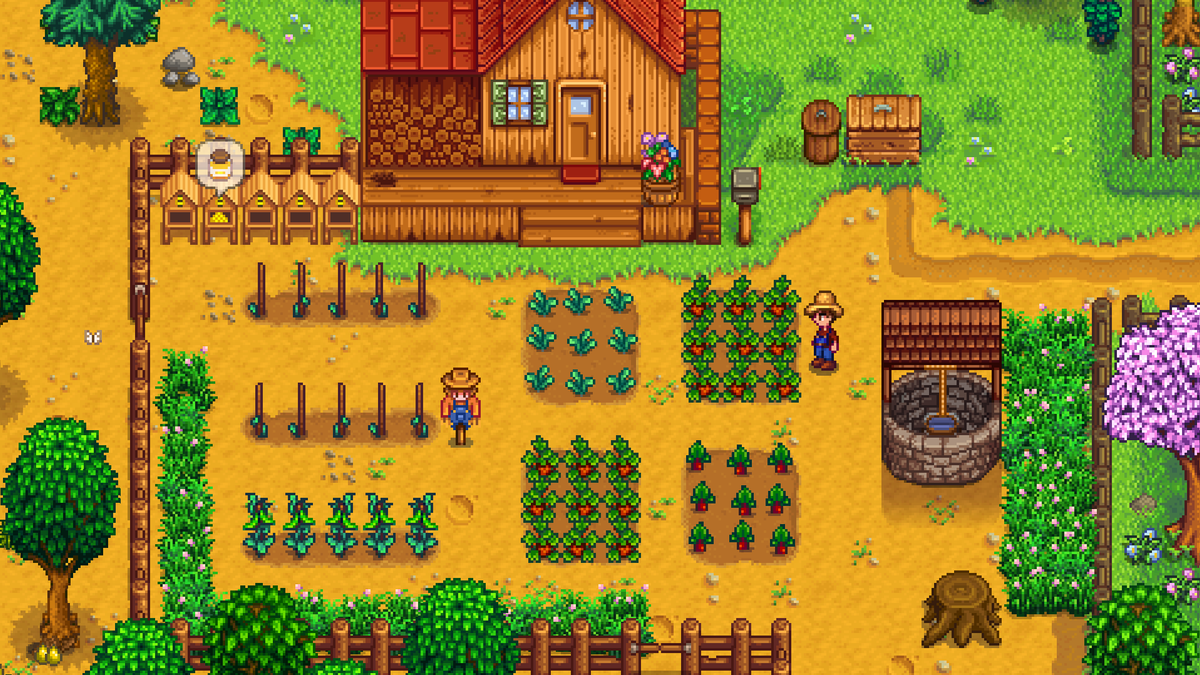
A slow-burn favorite for kids who like counting and patterns. Cross-platform, shared farm between accounts, very low pressure.
14. Animal Crossing: New Horizons
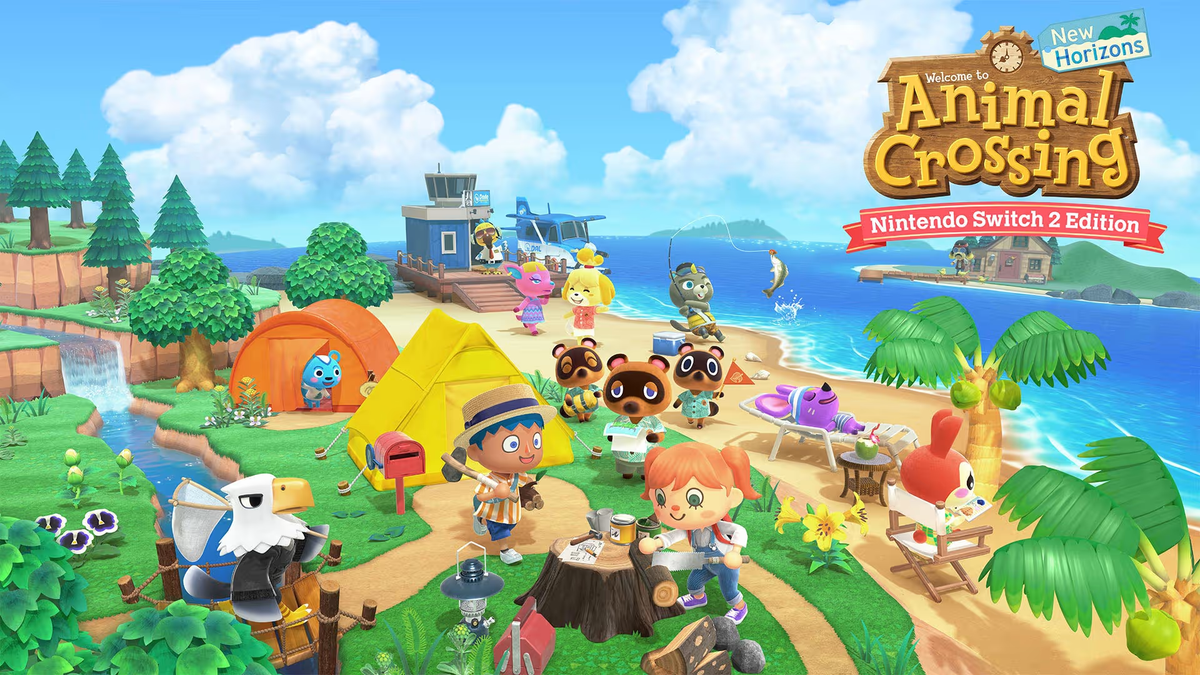
Real-time clock, slow drip of new things, no real way to lose. The game does not let a six-year-old fail at it, which is exactly the calibration this tier needs.
15. Snipperclips
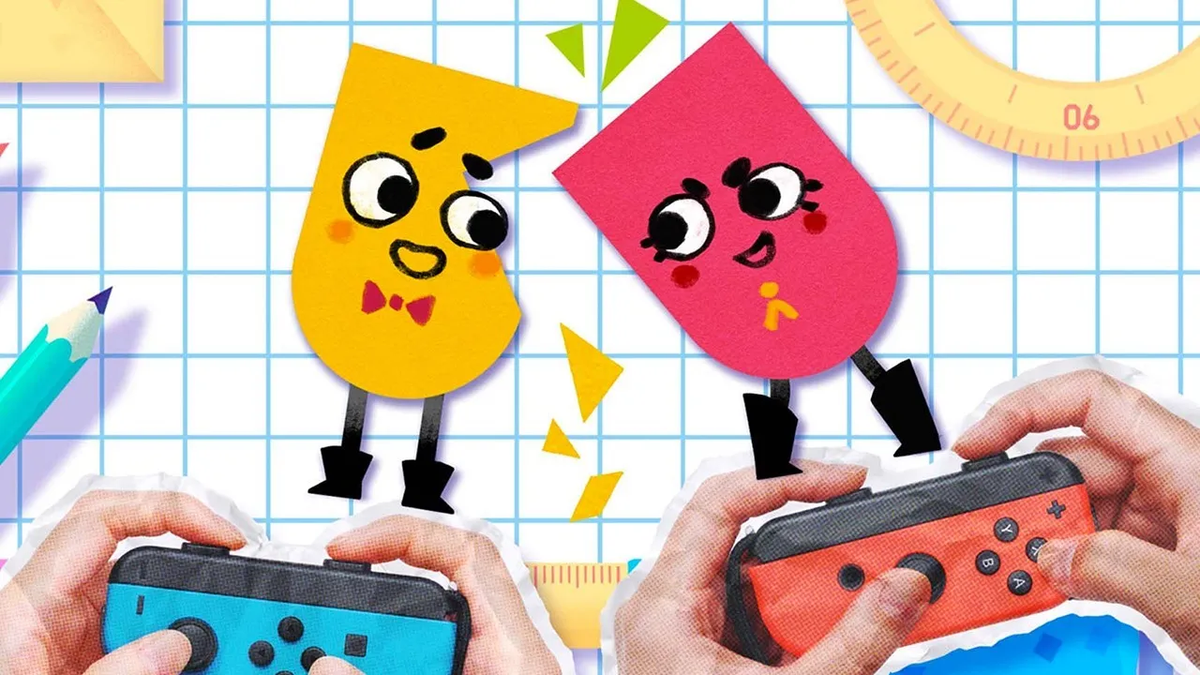
Two-player puzzle co-op where you cut each other into shapes to solve problems. Mandatory co-op, very calm, no time pressure. Often the game that finally gets a parent and a six-year-old genuinely in sync rather than parallel playing.
The list at a glance
| # | Game | Age | Plays together | Consoles |
|---|---|---|---|---|
| 1 | Mario Kart 8 Deluxe | 4+ | Couch co-op, Local multi, Online vs. | Switch |
| 2 | Yoshi's Crafted World | Not reviewed | ||
| 3 | Astro's Playroom | 3+ | Play alone | PlayStation |
| 4 | Bluey: The Videogame | 4+ | Couch co-op, Local multi | Switch, PC, Xbox, PlayStation |
| 5 | Kirby: Star Allies | Not reviewed | ||
| 6 | Super Mario Bros. Wonder | 5+ | Couch co-op, Local multi, Online co-op | Switch |
| 7 | Sackboy: A Big Adventure | 3+ | Couch co-op, Online co-op | PlayStation |
| 8 | Untitled Goose Game | Not reviewed | ||
| 9 | Lil Gator Game | 6+ | Play alone | Switch, PC, Xbox, PlayStation |
| 10 | LEGO Games (Series) | 5+ | Couch co-op | Switch, PC, Xbox, PlayStation |
| 11 | Minecraft | 7+ | Couch co-op, Local multi, Online co-op | PC, iPhone / iPad, Android, Xbox, PlayStation, Switch |
| 12 | Pokemon Let's Go Pikachu / Eevee | Not reviewed | ||
| 13 | Stardew Valley | 8+ | Couch co-op, Online co-op | PC, Switch, Xbox, PlayStation, iPhone / iPad, Android |
| 14 | Animal Crossing: New Horizons | 5+ | Couch co-op, Local multi, Online co-op | Switch |
| 15 | Snipperclips | 5+ | Couch co-op, Local multi | Switch |
Didn’t make the list
- Captain Toad: Treasure TrackerSingle-character puzzle game with no death and no jump button, removing the hardest motor skill in platforming. The alternate Tier 1 pick if Yoshi or Kirby has not landed for your kid.
- Mario Maker 2Easy endless mode works for older kids in this band, but the game asks for more than the rest of Tier 3 and tends to be a six-plus pick rather than an introduction. Worth knowing about for the year after.
- The Plucky SquireRecent, beautifully crafted, visibly designed for kids without being condescending about it. Did not make the main list mostly because it is short and singular rather than a family staple, but worth flagging.
- Humongous Entertainment classics (Putt-Putt, Pajama Sam, Freddi Fish, Spy Fox)Available on Steam and GOG, often surprisingly priced. Point-and-click adventures with no fail states. A specific generation of parents has strong feelings about these and they hold up better than expected.
- ZoombinisRemastered, on Steam. A logic puzzle game from the 90s that has aged unusually well. Sits in the same edutainment lane as the Humongous catalog. The kid who likes Snipperclips probably also likes this.
Closing note
Two patterns are worth naming explicitly.
One: the games that consistently work at this age are the ones with assist modes, soft fail states, and the willingness to let a kid put the controller down for a bit. That is not luck. Nintendo and Sony have both spent the last decade quietly building those options into their first-party games, and it shows. The studios that did not do that work made games that age out of this list within a year.
Two: every Reddit thread on this question eventually surfaces the same warning, which is some version of "not Roblox, not yet, not at this age." That warning is doing a lot of work and is worth taking seriously. Roblox is a platform of platforms, the curation runs from "wholesome" to "stuff you actively do not want a five-year-old in," and the chat layer makes it qualitatively different from the games on this list. None of that is unique to Roblox (Fortnite has the same shape, and the existing recons for both cover the specifics) but Roblox is where the question keeps coming up because Roblox is where the kids keep ending up. It deserves its own conversation, not a slot on this list.
What is missing from this list is most licensed kids' games. That is deliberate. Whatever cartoon is in rotation, the matching game tends to be developed on a six-month turnaround with a budget that shows. Bluey: The Videogame is the rare licensed entry that respects its source, which is why it made the list. The rest of the licensed shelf tends to be the kind of thing a kid will play for a week and then quietly stop asking for.
The list is real, but the thing that shows up over and over in parent threads about this question, regardless of which game gets named, is that the kids who actually take to gaming tend to be the ones whose parents sat on the floor next to them. That is harder to put in a list.
Parents also ask
What age can a kid actually start playing video games?
There is no single answer. Most parents who are deliberate about it start somewhere around four, with heavy assist modes on and short sessions. The honest version of the answer is that the controller question matters less than whether they have a parent or sibling in there with them.
Should I let my four-year-old play Roblox?
Almost every parent thread on the topic lands at: not yet. The platform is curated unevenly, the chat layer is hard to lock down well, and the predator and microtransaction concerns are real enough that most parents who have been through it suggest waiting. Worth its own piece.
Is screen time on a console worse than on a tablet?
Different problem entirely. Controllers transfer skill across games, do not deliver ads, and do not push microtransactions the way most tablet games tend to. That does not make console time free, but the worry-list is mostly tablet-side.
What about the NES and SNES games I grew up on?
Older platformers are dramatically harder than modern ones. Super Mario Bros. Wonder and Odyssey are tuned for a much younger first-time player than the NES Mario was. Worth showing your kid the old games eventually, for context, but they are not where you start.