Fortnite at friends’ houses: handling different rules
Make a clear Fortnite plan before a visit, with messages you can adapt for the host and simple wording your child can use if the plan changes.
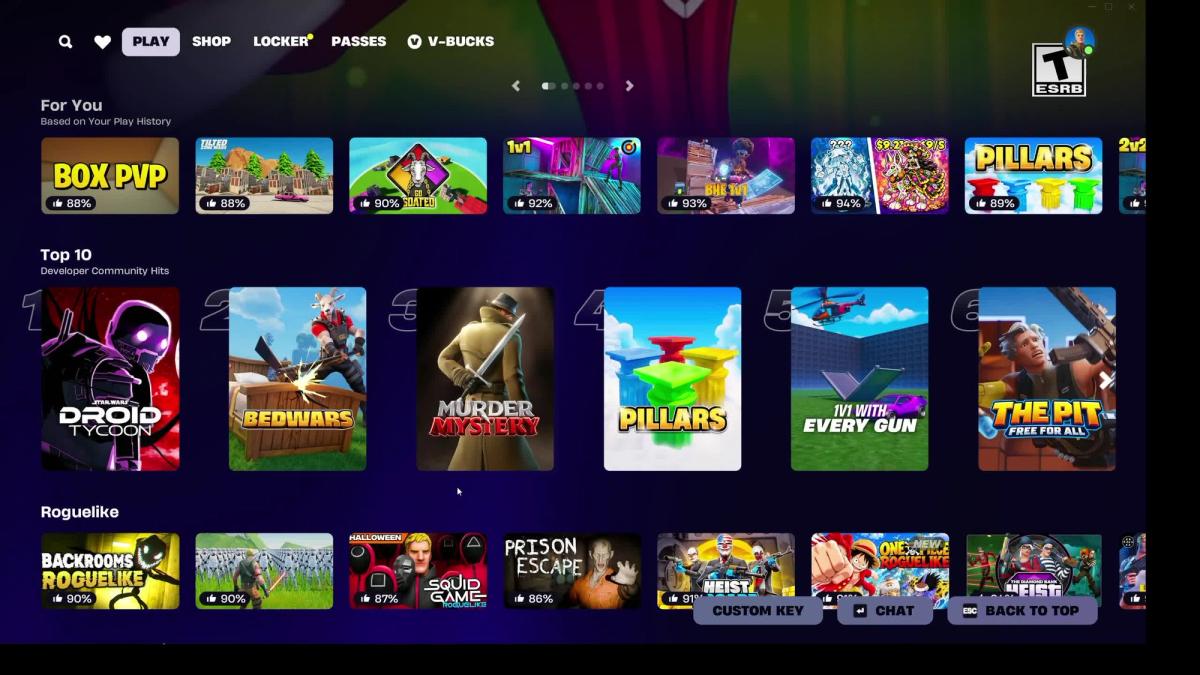
Agree on the game, account, online company, spending and finish time before the visit. If that’s more than the host can manage, you can arrange another activity.
- What to do now
- Send the host a specific request they can answer, then explain the same plan to your child.
- Settings that matter
- Check the account they’ll use. Borrowing another account can also mean using its contacts, chat permissions and payment access.
On this page
Before a visit, ask what the children are planning to do in Fortnite. “Do you allow Fortnite?” only gets you part of the answer. It helps to know which game they’ll open, whose account they’ll use, who else will be there online, whether chat or purchases are allowed and when they’ll finish.
You can ask for a clear boundary without asking the other parent to share your whole view of the game. They can also tell you if the plan is more than they can manage. Then you can arrange a visit that works for both households.
Be specific about what you are asking
“No Fortnite” is clear if that’s your decision. “Only LEGO Fortnite” needs a little more explanation. Odyssey is a building and survival adventure; Brick Life is a shared-town social game. Watching Fortnite videos is another activity again, so include that if it matters to your agreement.
Before messaging the host, decide what you’re comfortable with. Could your child watch a friend play? Use the host’s console, such as an Xbox or PlayStation? Talk to online players? Play one named game without choosing another? The host can only follow a distinction you’ve explained.
This can sit alongside the usual arrangements for a visit. The American Academy of Pediatrics includes media choices in its questions to ask before a playdate, if you’d like a starting point for that conversation.
A message the host can answer
You could adapt a message like this:
“Thanks for having Alex over. We haven’t agreed to Fortnite yet, including watching it during visits. Could they choose another game or something away from the screen today? If Fortnite is the main plan, let me know and we can work out another activity.”
If you’ve agreed to one particular setup, try:
“We’ve agreed to LEGO Fortnite Odyssey with a parent nearby, using Alex’s own account, with voice and typed chat off and no purchases. Would that work at your house? Please check with me before they switch to another Fortnite game. If it’s too much to manage, another activity is fine.”
Use the conditions you’ve actually chosen. The second message is an example of making a request specific; it isn’t an age recommendation for Odyssey. Having a parent nearby doesn’t change a game’s content rating.
Whose account will they use?
Your child’s Epic account, the account they use for Fortnite, holds their permissions and friend connections. If they borrow somebody else’s account, it will have its own settings. Ask which account they’ll open, including the account on the console itself.
If using the agreed account isn’t practical, or the host doesn’t want another login on their device, another activity may be easier. You don’t need to give your child’s password or your parental PIN to the host to make the visit work.
It’s worth being specific about spending too. “They can’t buy anything at home” doesn’t tell you what a borrowed account allows. It may have a saved bank card, different console settings or a balance of V-Bucks, Fortnite’s currency bought with real money. If your agreement is no purchases, include spending that existing currency as well as charging a card.
For the account mechanics behind these questions, Epic’s parental-control guide separates communication and payment permissions. The host conversation is about whether the planned session can follow your agreement.
Give your child a way to handle a change
Let your child hear the same plan before the visit: “I’ve spoken to Sam’s parent. You can play the game we agreed on. If everyone changes games, ask the adult or call me. You’re not in trouble for checking.”
A short sentence for friends can help: “I need to check before I play that one,” or “I’m doing something else until this game is finished.” Work out what that other activity could be. If the plan leaves your child sitting alone for most of the visit, it may need changing.
If your child wants you to be the reason, it is reasonable to let them say, “My parent said no.” They do not need to defend the entire family’s approach to gaming in front of peers.
Also explain how to leave a conversation that becomes unkind. Being in a friend’s home does not mean they must stay in an upsetting online group to avoid seeming rude.
If the host has a different view
The other family may know the game well or have different needs and boundaries. You can recognise that without changing your own decision: “I know this works for your family. We’re still at a different point with it.”
One Reddit discussion began with a parent of a seven-year-old worrying about different gaming rules next door. It didn’t give a final resolution. But another parent replied that they talked at drop-off and accommodated visiting children’s rules. The original question and the host’s reply are a reminder that asking may go more smoothly than you expect, even though it won’t solve every disagreement.
If the answer is “I can’t monitor that,” you have useful information. You could host, arrange something outside, choose a visit with a different activity planned or postpone. The arrangement needs to be something the adult there can actually do.
If an agreed rule was ignored
Start by finding out what happened. Did the children switch games unexpectedly? Did the host understand “LEGO” differently? Was another account involved? Or did someone knowingly set aside a clear agreement? Those call for different conversations.
Start with a factual message: “Alex said they played Battle Royale yesterday. We had agreed on no Fortnite. Can you help me understand what happened?” If the arrangement cannot be relied on, change the next visit plan rather than repeatedly sending a rule that nobody can enforce.
Thank your child for telling you, then talk about any choice they need to handle differently. Keeping those two things separate can make it easier for them to come to you the next time something changes.
When the other household is a parent’s home
Where you can, work towards a specific shared plan: which games and accounts, who the child can talk to, spending and school-night finish times. “Can we agree when the last new match starts on school nights?” gives the other adult a smaller question to answer than “We need stricter screen time.”
If rules remain different, explain your own without recruiting the child to judge the other adult: “That is the arrangement there. At our house, this is what we have agreed.” Avoid making the child carry messages or report on the other household as their job.
You don’t have to settle every difference in one conversation. This is about practical arrangements, rather than advice on custody rights, and the households may not end up with identical rules. Start with one question you can resolve, such as which account will be used on the next visit.
Questions parents ask
Do my child’s settings follow them onto a friend’s account?
No. That account has its own permissions, contacts and spending access. Ask which account the children will use, and choose another activity if the agreed setup isn’t practical.
What if the host can’t manage our Fortnite rules?
You can host, arrange another activity or choose a different visit plan. A request works best when the adult there can actually follow it. They don’t need to agree with your whole view of Fortnite to answer that practical question.
What this guide is built on
- websiteCover screenshot: Shannon / MPC, 25 October 2026Cover: Fortnite's game-selection menu in Shannon's adult PC session, 25 October 2026 at 10:10. Screenshot: Shannon / MPC. Browsing does not mean the listed games were tested.