What does F2P mean? Free-to-play games explained for parents
F2P means free to play, but extras can cost money. Understand in-app purchases, battle passes and pay-to-win, with six game examples and practical checks for parents.
F2P means free to play, but extras can cost money. Understand in-app purchases, battle passes and pay-to-win, with six game examples and practical checks for parents.
On this page
- Are free-to-play games really free?
- How do free games make money?
- What does in-app purchase mean?
- What is a battle pass?
- Six free-to-play examples you may recognise
- Free to play, free trial or included with a subscription?
- Optional purchases can still be hard to ignore
- Five checks before your child starts
- Questions
F2P means free to play. These games have no upfront game price. Your child can download or access the free part and begin playing without buying the game.
That means your child can be right when they say, “It’s free.” You can also be right to ask what happens after they open it. Free access does not mean every item or activity is included. It also tells you nothing about the age rating, who can talk to them or how easy it is to stop.
Are free-to-play games really free?
Often, yes. A free-to-play game can offer substantial play without a purchase. The useful question is what a non-paying player can actually do: join friends, choose characters, reach later stages or enjoy the same activities.
The answer varies. Some games sell appearance changes. Others sell extra content or resources that help players progress. Steam’s explanation of free-to-play games makes the basic distinction: access can be free while purchases remain available inside. An account, compatible device and internet connection may still be needed.
Source: Epic’s Top Free To Play collection.
How do free games make money?
Free-to-play games can make money from purchases inside the game, advertising or both. Some players buy extras while others keep playing without paying. Not every free game uses ads, and the examples below use different ways to earn money. ESRB’s mobile-game guide explains the mixture of advertising and purchases.
What does in-app purchase mean?
An in-app purchase is something you buy from inside an app or game, after downloading it. It might be game currency, an outfit, extra content or a subscription. In a game, you may also see it called an in-game purchase. Here are some common examples.
- Game currency: coins, gems or other units used in the game’s shop. V-Bucks and Robux are examples. Some can be earned and some bought with real money. Before a purchase, translate the amount back into dollars and check whether you have to buy a larger pack than you need.
- Skins and other cosmetics: an outfit, decoration or animation that changes how a character or object looks. “Cosmetic” describes what the item changes. It does not mean a child will care less about having it.
- Subscriptions: recurring payments for a package of benefits. Fortnite Crew is one example. Check the renewal date, how to cancel and what happens to benefits after cancellation.
- Upgrades, resources or access: purchases that help a player improve something, progress faster or enter extra content. These affect more than appearance. What is sold depends on the particular game.
- Random rewards: a purchase that gives a chance at an item instead of letting the player choose exactly what they get. Check whether the screen promises a specific item or only a possible result.
What is a battle pass?
A battle pass is a set of rewards unlocked through play, often with a free path and extra paid rewards. Some games call it a reward pass. Buying the paid pass may give access to rewards you still need to earn by playing, rather than give them all immediately.
Before buying one, check the play required and any deadline. Your child may need more time in the game to unlock the rewards they want.
Six free-to-play examples you may recognise
These are examples of how free access and spending work, not a list of games MPC recommends for children. The linked reviews discuss the wider family decision.
Fortnite
Fortnite contains several different games and activities. Battle Royale, where players compete to be the last player or team left, and Zero Build, a version without building structures, are free to play. Optional purchases include outfits, passes and the recurring Crew subscription. Some games made by other creators inside Fortnite also sell items or access that affect play.
Check Fortnite’s free experiences, Crew subscription details and Epic’s explanation of purchases inside creator-made games. MPC’s Fortnite coverage is being updated with new playthrough notes and screenshots.
Roblox
Roblox is a platform containing many games made by different creators. Many are free to enter, while Robux can buy clothing for a player’s digital character and extras within individual games. The costs and benefits vary from game to game. Roblox explains its platform and Robux currency.
MPC does not recommend Roblox. Read the Roblox review and parent guidance for the reasons beyond spending.
Rocket League
Rocket League is a free game of soccer played with cars. Optional purchases include vehicle customisation and the paid Rocket Pass reward path. Its currency is called Credits. The official listing and Credits guide explain the free access and extras.
Read the Rocket League review.
Fall Guys
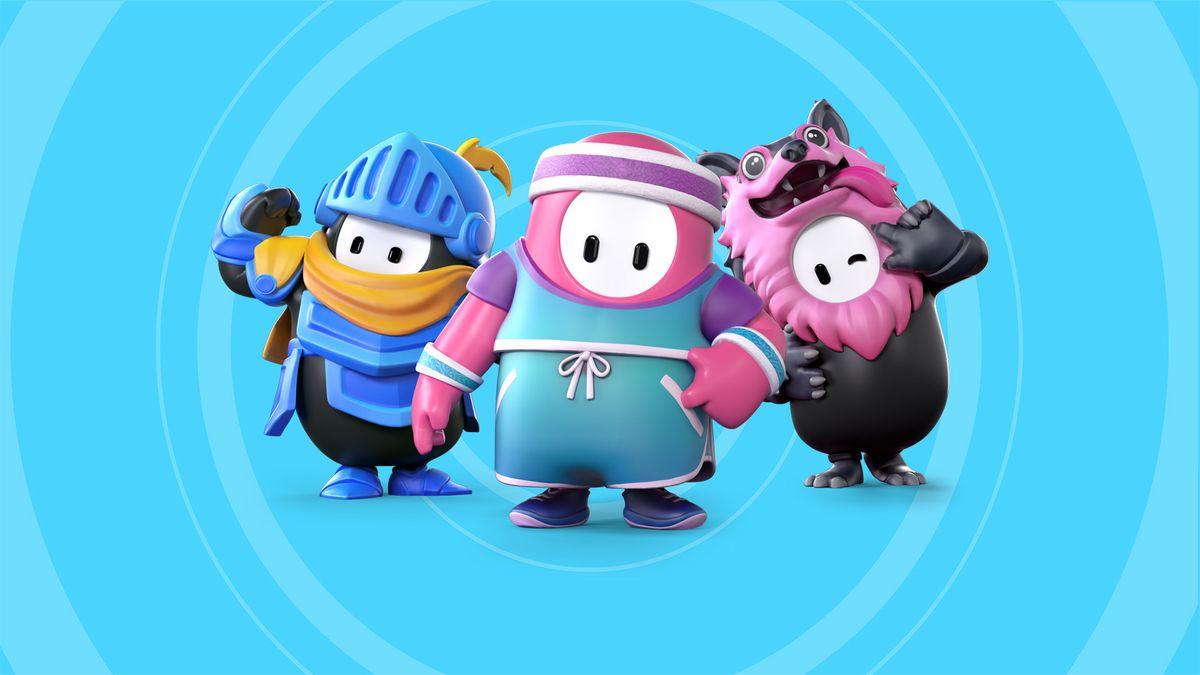
Fall Guys is a free obstacle-course competition. Players can buy Show-Bucks, its shop currency, and use them for the Fame Pass, which offers costumes and other rewards unlocked through play. There is also a free reward path. The Fame Pass page shows how the two paths work.
Read the Fall Guys review.
Marvel Rivals
Marvel Rivals is a free team game featuring Marvel heroes and villains. The developer describes heroes, maps and gameplay as free, with optional paid outfits and other appearance changes. See its explanation of cosmetic purchases.
MPC does not recommend it for family play. Read the Marvel Rivals review for the spending, chat and stopping concerns from my own sessions.
Clash Royale
Clash Royale is a free competitive game in which players use cards to send characters into battle. Purchases can include currency and resources used to improve cards. Spending can affect progress, so this is a different decision from buying a new outfit. See Supercell’s parent guide and its card progression explanation.
Read the Clash Royale review.
Free to play, free trial or included with a subscription?
The word “free” can describe several different offers. Check which one you are looking at before downloading.
- Free to play: ongoing access to the free part of a game, with possible purchases or other ways the company earns money.
- A demo or free trial: a sample of a game or access for a limited time. It may stop at a certain point. A subscription trial may also start charging when it ends, so read the terms.
- Included with a subscription: access paid for through a membership. Apple Arcade is one example. The game may have no separate price, but the membership still costs money.
- A giveaway: a normally paid game offered at no charge under a particular promotion. Check the claiming deadline and whether you keep access afterwards.
Steam’s demo documentation describes playable samples. Apple Arcade illustrates a separate subscription model, with no additional in-app purchases or ads in its included games.
Optional purchases can still be hard to ignore
During my first few days with Marvel Rivals, I kept encountering invitations to buy things. After a couple of games, I also found it difficult to get back to playing more. I could play without buying outfits, but the experience still felt too focused on spending for me to recommend it to families.
That is my experience with one game. It does not describe every free-to-play game or every child’s reaction. The fuller account is in Why I’m not recommending Marvel Rivals to families.
For your own decision, watch what happens when purchases are declined. Is the free part still enjoyable? Does the game keep interrupting with offers? Does a reward deadline make stopping harder? Optional spending can still become a regular family conversation.
Five checks before your child starts
- Choose the exact game or activity. On platforms such as Roblox and Fortnite, the name alone is not enough. Look at what they will actually play and its content rating.
- Decide the spending rule in real money. A zero-spend rule is a valid choice. If purchases are allowed, agree on a budget and ask to see the item, full cost and whether it renews before approving it.
- Check both the game account and the store taking payment. Use the purchase approvals available for the account and device. Check existing currency balances too; blocking new payments may not stop spending currency already in the account.
- Check who can contact them. Voice chat means talking through microphones; text chat means typed messages. Review both, along with friend requests and who can join their group. A spending limit does not control conversation.
- Find a comfortable stopping point. Try ending a session before relying on a timer. Check whether a match needs to finish, whether leaving has consequences and whether a paid reward encourages another round.
For a concrete example of purchase-control limits, Epic says its payment PIN applies to its own real-money payment service. It does not cover other platform checkouts or spending an existing V-Bucks balance. There is a separate permission for paid random items. One payment setting does not cover every purchase path.
Open the exact game together, try a session without buying anything, and look at the first purchase screen before deciding what spending, if any, belongs in your family’s plan.
Questions parents ask
What is pay to win, and is it the same as free to play?
Pay to win describes purchases that give a player an advantage over other players. It is different from free to play, which describes the cost of starting the game. Some free games sell only appearance changes; others sell upgrades or resources.
Are free-to-play games safe for children?
Free to play describes a payment model, not child suitability. Check the exact game’s content, online contact, purchase options and stopping behaviour. Use its age rating and a parent review alongside those checks.
What this guide is built on
- websiteHow free-to-play games work
- websiteFortnite: free experiences
- websiteFortnite Crew subscription
- websiteFortnite: purchases inside creator-made islands
- websiteRoblox: platform and games
- websiteRoblox: Robux
- websiteRocket League: free game listing
- websiteRocket League: Credits
- websiteFall Guys artwork: Mediatonic / Epic GamesFeatured image: official Fame Pass costume artwork. Sourced October 25, 2026. Illustrates optional costumes; not a claim about current rewards or prices.
- websiteMarvel Rivals: optional cosmetic purchases
- websiteSupercell: parent guide
- websiteClash Royale: progression and upgrades
- websiteESRB: mobile games and advertising
- websiteSteamworks: game demos
- websiteApple Arcade: subscription access
- websiteEpic Games: parental controls and payment limits
- websiteEpic Games Store screenshot: free-to-play listingsGenuine storefront screenshot captured for MPC on October 25, 2026. Illustrates Free base-game labels, not recommendations for children.