Fortnite: losing, stopping and deciding on a break
Understand what is making Fortnite endings difficult, agree on a stopping plan and recognise when a break or help from a qualified professional may be useful.
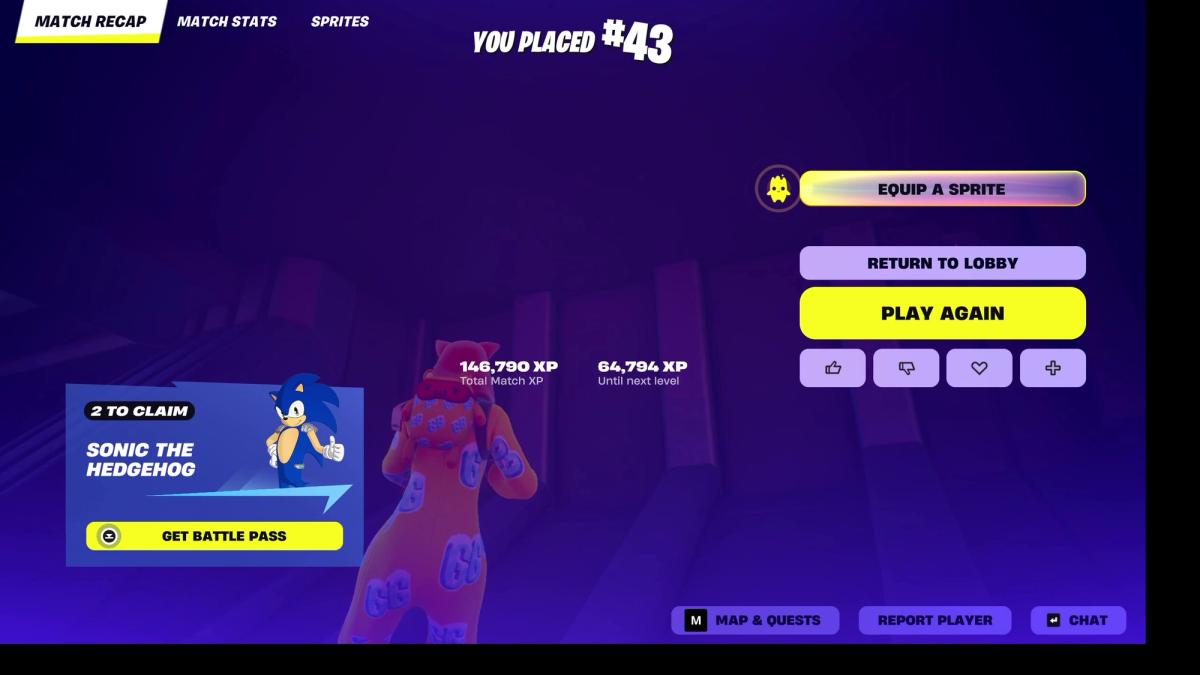
Losing, an unkind group and being asked to stop may need different responses. Plan the next ending, and look for repeated effects on sleep, school, relationships or other interests.
- What to do now
- When everyone is calmer, agree on a finish time, a last-new-match time and what happens if the game is still running.
- Settings that matter
- Playtimes and limits; requests for extra time; account reports; any earlier cutoff set on the console.
On this page
If Fortnite sessions keep ending in tears or arguments, start with what happens just before the upset. Losing a round, having a bad time with friends and being asked to stop can need different responses. One angry evening doesn’t tell you your child has a gaming disorder. A pattern affecting sleep, school, relationships or other activities is worth looking at more closely.
You can understand why your child wants to keep playing and still hold the finish time. You don’t have to choose between taking their feelings seriously and having an evening that works for the family.
What I saw at the end of two matches
In my 25 October 2026 Windows PC recording, both solo Battle Royale matches ended when I was eliminated, meaning my character was out of the round. The results then showed experience points, progress and rewards, with a prominent Play Again button. At the second ending there was also a Get Battle Pass offer for an optional rewards pass.
I stopped after that second match. A match ending gave me a stopping point, while the screen still offered reasons to continue. That is an adult observation, not a test of how a child would react. Both rounds ended before I won, and I did not test the time-limit cutoff, pausing or returning to an interrupted match.
What happened just before the argument?
When everyone is calmer, ask what happened. Did they lose unexpectedly, get criticised by another player, miss a reward or have to leave while friends were still playing? Their answer gives you something more useful to work with than “Fortnite makes them angry.”
If one group of players is upsetting them, the next step may be changing who they play with. If the game goes well until bedtime, an earlier session may help. If they keep trying to finish on a win, agree on a different stopping point. These are things to try and observe, rather than one rule that will work for every child.
Parents’ accounts vary too. Some describe things improving after they restricted gaming; others say frustration eased over time. In one Reddit follow-up, a parent said their child returned to play at ten after an earlier concern, then lost interest. Their update is a useful reminder that you can revisit a decision as your child changes. These individual stories don’t establish a particular break length or restriction that works for everyone.
Agree on the ending before the beginning
Agree on two times: when play finishes, and when it’s too late to start another match, a round of the game. Leave enough room for the activity your child has chosen. Fortnite has different games and different round lengths, so “one more” won’t reliably fit the same gap each evening.
You might say: “We’re finished at seven. At half past six, let’s see whether there’s enough time to start anything else. If there isn’t, we can finish up, look at what you made or stop early.” Adjust the times to your evening and the game. This is an example of how to plan the ending, rather than a suggested daily allowance or a promise that every round takes half an hour.
Ask your child to tell friends the end time before joining. “I can play until seven” makes the departure part of the arrangement instead of a surprise imposed mid-conversation.
If there is too little time left for the chosen game, choose an activity with a more flexible ending or wait for another session. Paying for a pass, a set of rewards earned through play, does not have to change that rule. Decide before buying one whether unfinished rewards will be acceptable.
What if the game is still running?
If a live round is still running, leaving can affect teammates, so “I can’t stop yet” may have a real explanation. Check what the game’s exit warning says rather than treating an open menu as a stopping plan. You can acknowledge the problem and move the last start time earlier next time. Bedtime still needs a finish point.
It also helps to understand what your child is afraid of losing. In a competitive round, leaving that round is different from losing the outfits and other items on the account. In a LEGO building world, who owns the world and who can return to it matter too. During a calmer session, read the exit message and game help together. That gives you a clearer answer than promising every kind of progress will be saved in every game.
If the same timing problem keeps happening, move the last new match earlier. A visible household timer can help both of you keep track, even when the account also has a time limit.
What Fortnite’s time controls can do
Epic’s controls can set time limits, with options to distinguish playing from creating games. Its current documentation describes warnings at 30, 15, 5 and 2 minutes remaining. If both available categories run out, access is restricted until the schedule resumes or a parent grants more time. Epic explains Play Time and Create Time here.
Try watching how the warnings and cutoff work on your own setup during a calm session. My adult PC sessions did not test a child-account limit or its cutoff. Check the console’s limit too, because it may stop play earlier than Fortnite does.
If enabled, the child can request more time. Parents can respond through the email route or add time inside Fortnite using the parental PIN. Extra time granted in the game takes effect immediately, so check what period you are extending. Epic’s instructions for adding time explain the choices.
Weekly reports can show when and how long the account was used. They can’t show whether your child was laughing with a friend or struggling through an upsetting game. Use Time Reports alongside what you notice and what your child tells you.
Responding to a difficult ending
In the moment, a short response may be enough: “I know you’re disappointed. We’re finished for tonight. We can talk about the next session tomorrow.” You don’t need to settle the whole future of Fortnite while your child is shouting or crying.
Once things are calmer, talk about the behaviour that needs to change. Feeling disappointed is understandable; insulting someone, threatening them or damaging a controller needs a response. Work out what your child can do next time, such as asking for help or stepping away after a difficult round.
The American Academy of Pediatrics suggests helping children prepare for transitions and keeping limits calm and consistent. Its advice on difficult screen-time endings has more examples you can adapt. If a sentence doesn’t work perfectly the first time, that doesn’t mean you’ve failed.
When a break is worth considering
Look at the pattern over several days. Is play repeatedly pushing aside sleep, schoolwork, meals, other interests or relationships? Is your child continuing even when they dislike the consequences? Have different people, settings or playtimes helped?
You can pause play while you work out a different plan. Keep the reason concrete: “Three evenings this week ended after bedtime and we were all upset. We’re taking a break while we work out what to change.” Agree on a time to talk again, while making clear that talking doesn’t automatically mean restarting.
If you decide to try again, agree on the game, people, time, spending and what happens after another difficult session. A shorter session or a different game can give you a chance to see whether the changes help. Think of that as a family plan to review, rather than a treatment.
If gaming keeps interfering with daily life or is causing substantial distress, talk to your child’s doctor or another qualified professional who works with children. The AAP’s guidance on unhealthy gaming explains what to discuss. Bring a few specific examples of what’s happening and how often; you don’t need to arrive with a diagnosis.
Questions parents ask
How much time should I leave for one last match?
There isn’t one length that fits every Fortnite game or round. Set a point after which no new match starts, based on the activity. If there’s too little time, choose something with an easier ending or leave it for next time.
Does getting angry after losing mean my child is addicted?
One reaction can’t tell you that. Look at the pattern and its effects on sleep, school, relationships and other interests. If gaming keeps interfering with daily life or causes substantial distress, talk to your child’s doctor or another qualified professional.
What this guide is built on
- websiteCover screenshot: Shannon / MPC, 25 October 2026Cover: the end of Shannon's second solo PC match, 25 October 2026 at 26:35. Screenshot: Shannon / MPC. This shows replay and exit choices, not a child reaction or a tested time limit.